Subfloor Repair After Water Damage: What to Check Before New Flooring
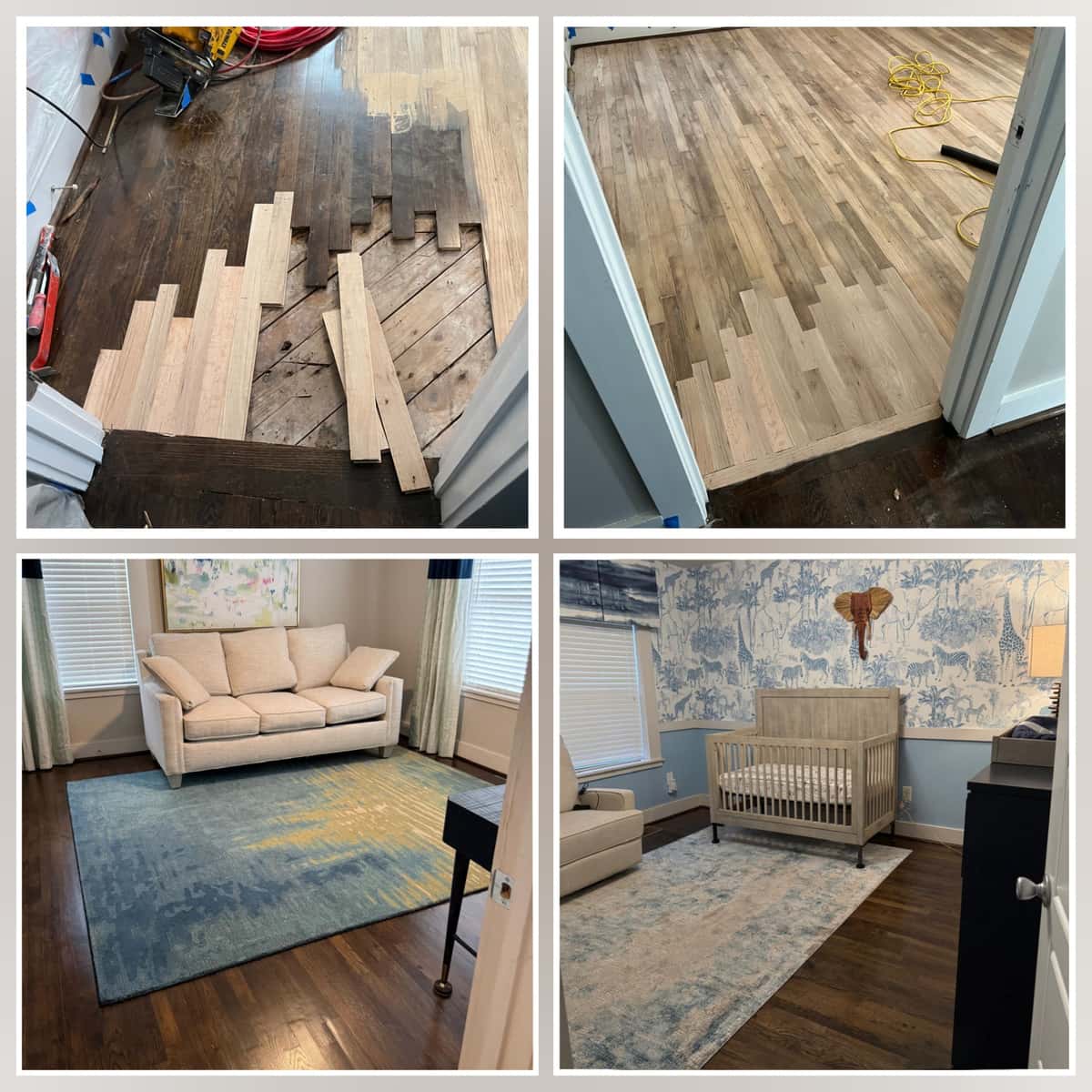
After a leak, the next flooring decision starts below the surface: is the existing subfloor ready to support the replacement floor, or does it need repair first?
For Atlanta homeowners, landlords and property managers, a clear handoff from mitigation to flooring work helps separate what has been completed from what still needs checking. This guide focuses on that handoff and the subfloor scope, rather than choosing a new floor by appearance alone.
Start with the mitigation handoff
Ask for the available drying records, affected-room list and photographs of areas opened during mitigation. Tell the flooring estimator where the leak occurred, what was removed and whether the source of water has been addressed. Keep uncertainty visible: a missing record is a question to resolve, not a reason to assume the floor is ready.
A surface that feels dry does not establish that every concealed layer meets the requirements of the planned floor. The selected flooring, adhesive and preparation system determine which checks and conditions apply. Product-specific instructions take priority over a universal number or a promised installation date.
Separate four decisions in the repair estimate
| Decision | What the estimate should explain |
|---|---|
| Condition of the substrate | Which areas were inspected, which remain concealed and what further assessment is needed. |
| Repair versus replacement | The affected sections and proposed materials, with a process for additional damage discovered after removal. |
| Surface preparation | Preparation, underlayment or flatness correction needed for the selected installation system. |
| Finished-floor transitions | How the repaired area meets adjoining rooms, doorways, trim and any flooring that will remain. |
Soft spots and uneven areas need an explanation
Report movement, soft areas, raised edges, persistent gaps or noticeable changes in floor height. These observations help locate questions for the site assessment; they do not establish a diagnosis on their own. Ask the estimator to distinguish a surface-preparation issue from damage that needs a different specialist or structural evaluation.
Do not accept a vague promise to “level everything” without a defined scope. A repair proposal should identify the area, the intended result and any limitations of the existing building. For a broader guide to uneven floors, read what to check before installing new flooring.
Choose the floor after confirming the base
Hardwood repair, new luxury vinyl plank and carpet replacement involve different material and installation decisions. Ask whether retained flooring can be matched, how much of the room needs replacement and how the new floor will meet existing surfaces. A waterproof product label does not settle questions about moisture or damage below the floor.
Manufacturer guidance is specific to the system. Armstrong’s subfloor preparation guidance, for example, distinguishes substrate and preparation conditions. Have the installer identify the applicable instructions for the product actually being proposed.
Bring this checklist to the walkthrough
- Affected rooms, dates and photographs from the water event.
- Available mitigation records and details of what was removed.
- The rooms and adjoining floors you hope to keep.
- Known access restrictions, furniture and appliance responsibilities.
- Product details and the preparation included in the quote.
- A written process for approving extra work if concealed damage is found.
Questions homeowners ask
Can I get a firm completion date before the floor is opened?
Ask for a proposed sequence and the conditions that could change it. Concealed damage, unresolved moisture questions, product availability and work by other trades can affect when installation can begin.
Does every damaged hardwood floor need full replacement?
The answer depends on the actual condition, repair area and matching options. Request an assessment of repair, refinishing and replacement rather than treating one option as automatic.
Will insurance cover the subfloor work?
Ask your insurer or adjuster about your specific claim. A flooring estimate can describe proposed work, but it does not guarantee coverage, approval or reimbursement.
Plan the flooring work after mitigation
For a project-specific discussion, visit Final Floors’ water-damage flooring repair page or call 770-910-9719. Share the room list and available records so the conversation can focus on the actual flooring work.
The useful outcome: a written repair plan that explains the existing condition, preparation, replacement materials, responsibilities and unresolved questions before the new floor goes down.


Comments
Post a Comment
Join the conversation. Share your flooring question, experience, product insight or Metro Atlanta perspective. Keep comments helpful, relevant and respectful. For project estimates or service questions, visit FinalFloorsATL.com.